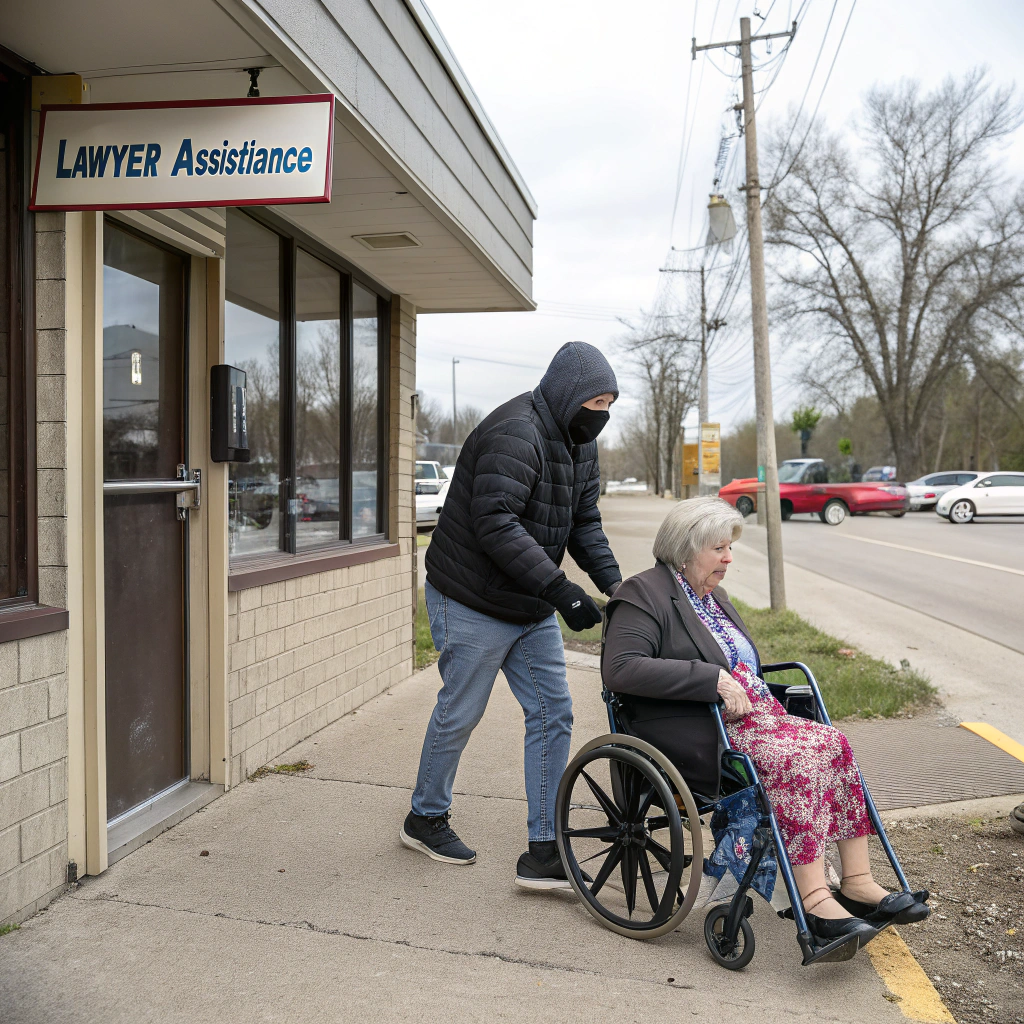


As a NY estate lawyer one of the most challenging fact patterns is also becoming one of the most common, NY will contests. If you think about it, the theft of estate assets is one of if not the oldest crimes in human history dating all the way back to biblical times. Most recently NY estate litigation attorneys like ourselves, are seeing a vicious new twist on one of the oldest crimes. Rather than waiting for parents to pass, children are utilizing durable powers of attorney to empty their parents’ bank accounts, relieving them of real estate and investment accounts before they even expire. For those unaware, a durable power of attorney is a document that appoints an individual as the agent of another, often granting the agent unlimited control over the finances of their parents without any oversight. To make matters worse, the parent is usually elderly, either a widow or widower and suffering from cognitive deficits without any support network to turn to for help. If generating a durable power of attorney sounds like a bad idea it often is. While the reasoning behind the power of attorney seems well intended, to allow another to pay bills on your behalf if you are unable to do so, it often devolves into an easy cash grab.
Unfortunately these unintended consequences have not stopped most NY estate lawyers from continuing to draft these instruments of financial destruction with great abandon either unaware of its dangers or indifferent to them. By the time NY estate lawyers try to pick up the pieces and catch up to the perpetrators the damage has already been inflicted leaving very little left in the looted NY estates if anything. At this point the NY estate now becomes the subject of a turnover proceeding to try and claw NY estate assets, if any can be located, back into the estate.
Confidential Relationship
The NY estate law defines a confidential relationship as an association between two parties where they deal on unequal ground due to one party’s weakness or infirmity and the other party’s control over their finances and/or care creating an unfair advantage over one party. A confidential relationship usually exists where the principal is under cognitive deficits making them more susceptible to undue influence while their agent wields a durable power of attorney over their finances. In Matter of Mary, 202 AD3d 1418 (3rd Dept 2022) the court made a credible determination that the party who wielded a power of attorney arose to a confidential relationship where they had made financial transactions on behalf of the other who had suffered cognitive deficits. The Court held that while a party asserting the presence of undue influence over a transaction with a decedent bears the burden of proof, where a confidential relationship is found to exist, that burden shifts onto the power of attorney to prove by clear and convincing evidence the transaction was free of undue influence. This is a very high burden to meet. Therefore once a confidential relationship is found to exist it is almost impossible to dispel the inference of impropriety and self-dealing.
Matter of Means
In a recent will contest, Matter of Means, the will of a retired attorney Johnston Means, which left his $3 million dollar estate of his son and caregiver, Thomas Means to the exclusion of his other son, Daniel, was deemed invalid as the product of undue influence. Before his death at 93 years of age, Johnston Means had become debilitatingly sick requiring the care of his son Thomas. However Thomas saw this as an opportunity to take advantage of his father’s impairment and used his power of attorney to begin enriching himself by converting millions of dollars from his father’s bank accounts into his own. Thereafter he updated his father’s will just before his death, unduly influencing his father into naming Thomas executor and sole beneficiary of the will while excluding his brother Daniel. Upon hearing the case the Surrogate’s Court found the Last Will & Testament to be the product of undue influence and was invalidated as such. The court went on to find that all of the assets, $1,500,000.00 of which had been removed from the estate before Johnston’s death by way of Thomas’s power of attorney to have been embezzled and the product of a confidential relationship that Thomas exerted over his father while in a diminished capacity. As such not only was the will denied probate, but Thomas was forced to pay restitution to his brother Daniel along with interest and penalties for all of the funds he misappropriated.
While this case may have had a happy ending many cases do not. As NY estate lawyers with more than 75 years of combined experience litigating complex NY estate cases we know how to prevent such estate theft from occurring before it happens. The easiest way is to not give anyone power of attorney unless absolutely necessary.
Should you or a loved one wish to speak with a NYC estate lawyer about asserting their right to inherit from a NY estate, feel free to call us at (718) 261-2444 to speak with an experienced Queens estate lawyer for a free consultation. Our offices have been successfully probating NY estates and drafting wills for New Yorkers in the Counties of New York, Queens, Nassau, Suffolk, Bronx, Richmond, Westchester, Orange, Rockland and Duchess for decades.